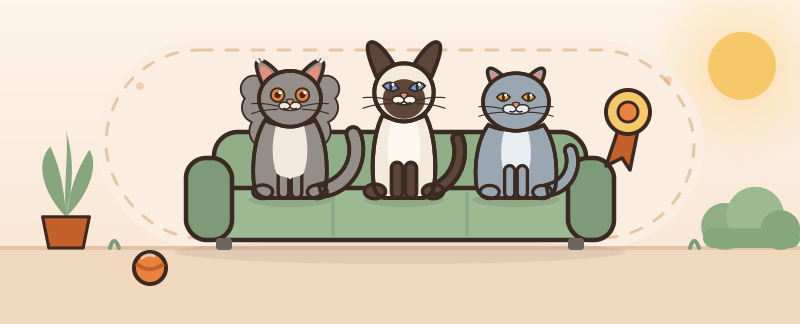
Scroll through photos of cat breeds and it is easy to fall for a face. The blue eyes of a Siamese. The lion’s mane of a Maine Coon. The teddy-bear cheeks of a British Shorthair.
But a cat may share your home for fifteen years or more. So the real question isn’t which breed looks best. It is which cat will be happy with the life you can offer, and which one you will be happy living with. This guide walks you through that choice, including the parts the glossy photos leave out.
Start with your life, not a photo
Before you look at any breed, be honest about your everyday routine. Grab a pen and answer these:
- How long is the house empty? Some cats cope well alone. Others become bored, loud or destructive.
- How much time can you give to grooming? Five minutes a week, or ten minutes every day?
- How much space and play can you offer? A climbing tree and a play session each evening matter more than square metres.
- Who else lives with you? Small children, a dog or another cat all change what will work.
- Can you cover vet bills? Some breeds need regular health screening, and some are prone to costly conditions.
Keep your answers next to you as you read on. They will narrow your list faster than any “top ten” ranking.
What “breed” really means
A pedigree cat belongs to a recognised breed. A registry keeps a written standard for that breed, describing its body, head, coat and colours, and records each cat’s ancestry. Several registries exist around the world. Each keeps its own list, so the number of “official” cat breeds depends on who you ask.
Most cats in our homes are not pedigrees at all. They are moggies: domestic cats with a mix of many lines. Vets and shelters often record them as “domestic shorthair” or “domestic longhair”. A moggy that looks like a breed is still a moggy. Only registration papers make a pedigree.
Cat breeds side by side
Here is how some well-known cat breeds compare. Treat it as a starting point, not a promise.
| Breed | Character and care | Health checks |
|---|---|---|
| British Shorthair | calm, independent; watch its weight | heart (HCM) |
| Ragdoll | large and gentle; brush a few times a week | heart (HCM) |
| Maine Coon | very large, sociable; needs space and brushing | heart (HCM), spinal muscular atrophy |
| Siamese, Oriental | talkative, wants company all day | ask about known line problems |
| Bengal | athletic and curious; daily active play | heart (HCM) |
| Persian | quiet; daily grooming, eye cleaning | kidneys (PKD test), breathing |
| Sphynx | warm, affectionate; weekly baths | heart (HCM) |
| Norwegian Forest Cat | sturdy, thick coat; heavy brushing when moulting | heart (HCM) |
Personality: what a breed can and can’t promise
Breeds do have tendencies. Siamese cats are famously chatty. Ragdolls are often relaxed about being handled. Bengals usually need far more activity than a sleepy British Shorthair.
But a tendency is not a guarantee. Personality also comes from the parents, from how the kitten was handled in its first weeks, and from the life it leads with you. A shy Siamese and a bold moggy are both perfectly normal. If temperament matters most to you, meeting the actual cat, or its mother, tells you more than any breed description.
Coat and grooming: the daily reality
For day-to-day life, coat type matters more than breed name. A long, dense coat like a Persian’s needs combing every day. Skip it and painful mats form close to the skin, sometimes needing a vet to clip them out. Semi-long coats need brushing a few times a week, and more in spring and autumn when cats moult.
Short coats are the easiest, though they still shed. And hairless doesn’t mean low care. A Sphynx’s skin gets greasy without regular baths, and it feels the cold and burns in the sun. Our guide to everyday cat care covers brushing, claws and teeth.
Health: the questions that matter
Some cat breed health problems run in families. International Cat Care points out that it is impossible to say some breeds are healthier than others overall. What you can do is ask the right questions about the cat in front of you.
- Polycystic kidney disease (PKD) affects Persians and related breeds. An accurate DNA test exists, and testing has made it much rarer in many countries.
- Hypertrophic cardiomyopathy (HCM) is the most common heart disease in cats. It is more common in several breeds, including the Maine Coon, Ragdoll, British Shorthair, Sphynx, Bengal and Norwegian Forest Cat. Genetic tests can help, but not every cat with a mutation gets sick, so ask what heart screening the parents have had.
- Other inherited conditions are linked to particular breeds, such as spinal muscular atrophy in the Maine Coon and a muscle disease in the Devon Rex.
Ask the breeder which tests the parents have had and ask to see the results. A good breeder will be glad you asked.
Looks that come at a cost
Some looks that people find cute cause real suffering. Very flat faces can mean narrow nostrils, breathing trouble, runny eyes and difficulty picking up food. Folded ears come from a gene that also affects cartilage throughout the body. According to animal welfare scientists, every cat with folded ears develops this joint disease to some degree, and in some it leads to painful, crippling arthritis.
Many vets and welfare groups urge people to choose cats with moderate features. A cat built for comfort can breathe, see, groom and play like a cat should.
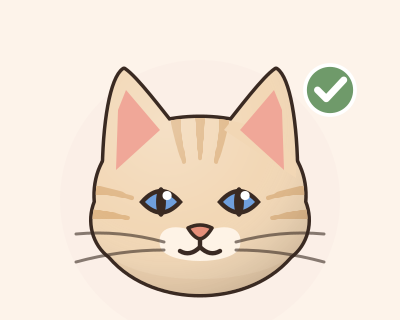 Moderate featuresBuilt to breathe, see, groom and play.
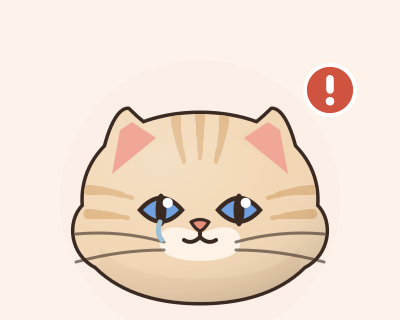 Very flat faceBreathing trouble, runny eyes, trouble eating.
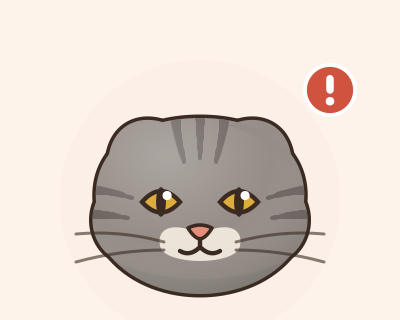 Folded earsThe same gene affects cartilage and joints.
Allergies: no cat is allergen-free
You will see some cat breeds sold as “hypoallergenic”. Be careful. The main cat allergen is a protein made mostly in skin glands and saliva, which cats spread over their fur when they groom. Hair just carries it around, so even a hairless cat produces it.
Individual cats vary, and some people react less to certain cats. But no breed is guaranteed to be safe. If you or someone at home has an allergy, talk to a doctor first, and spend real time with the specific cat before you commit.
How to find a responsible breeder
Rules on breeding and selling cats differ from place to place, so check what applies where you live. Wherever you are, a responsible breeder:
- lets you meet the mother and see where the kittens are raised;
- only lets kittens go once they are old enough and fully vaccinated, as breed registries’ codes of conduct expect;
- shows you health test results, vaccination records and microchip details;
- gives you a written contract and the registration papers;
- asks you plenty of questions and stays available for advice.
Walk away if someone pressures you to decide quickly, offers to meet in a car park, or can’t show you the mother.
Pedigree, moggy or rescue?
Shelters and rescues care for pedigree cats too, often adults whose owners could no longer keep them. And an adult cat has one big advantage: its personality is already formed. The rescue can tell you whether it likes children, other cats or a quiet life.
Moggies, meanwhile, come in every size, colour and character. Many owners say the best cat they ever had was the one nobody planned for.
Want to describe your cat’s colour correctly? Read our guide to cat coat colours and patterns.
Frequently asked questions
What is the best cat breed for a first-time owner?
There is no single best breed. Look for a cat whose energy, grooming needs and need for company fit your routine. Many first-time owners do well with an adult cat whose personality is already known.
Are pedigree cats less healthy than moggies?
You can’t generalise. Some breeds carry specific inherited risks, which is why screening matters. A moggy has its own risks too. Each cat is an individual.
How do I know if my cat is a pedigree?
Only registration papers prove it. Without them, your cat is a moggy, however much it looks like a breed.
Sources & editorial note
- International Cat Care — Inherited disorders in cats
- Cornell Feline Health Center — Hypertrophic cardiomyopathy
- Science for Animal Welfare (UFAW) — Scottish Fold osteochondrodysplasia
- FIFe — Breeds
Prepared by Miauly from the sources listed above, checked on 19 October 2026.