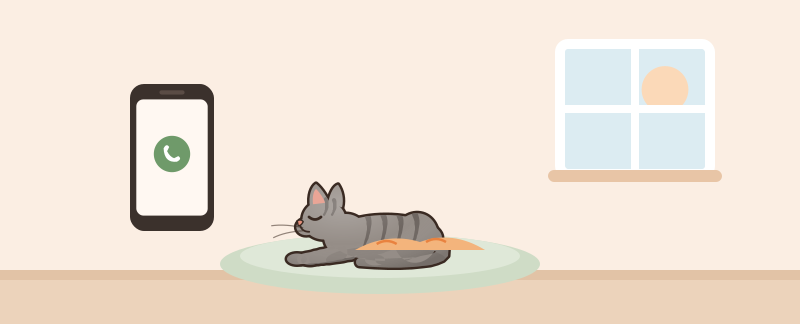
Cats are masters at hiding illness. In the wild, a cat that looks weak attracts trouble, so instinct tells them to carry on as normal for as long as they can. By the time a cat clearly looks ill, the problem has often been building for a while.
That makes you, the person who sees your cat every day, its best early-warning system. The signs your cat is sick are often small: a little less food left in the bowl, a new hiding spot, a different sound in the litter tray. This guide helps you spot them, decide how urgent they are and get the most out of a vet visit.
Go to a vet straight away if…
Some signs can’t wait until tomorrow. Call your vet or an emergency clinic now if your cat:
- strains in the litter tray and passes little or no urine, especially if it is male;
- breathes with its mouth open, pants or struggles to breathe;
- has collapsed, is very weak or can’t stand;
- has a seizure;
- has been hit by a car or has fallen, even if it seems fine;
- has pale, white or blue gums;
- may have eaten something toxic, such as any part of a lily, or medicine meant for people;
- vomits repeatedly or vomits blood;
- cries out in pain or suddenly can’t use its back legs.
A blocked bladder is one of the most urgent of these. The Cornell Feline Health Center describes urinary obstruction as an absolute emergency: without treatment, a cat can die in less than a day or two. Male cats are at higher risk because their urethra is longer and narrower.
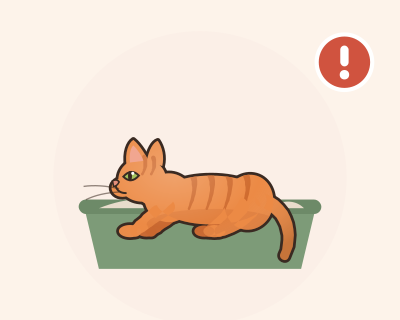 Straining, little or no urineEspecially in a male cat.
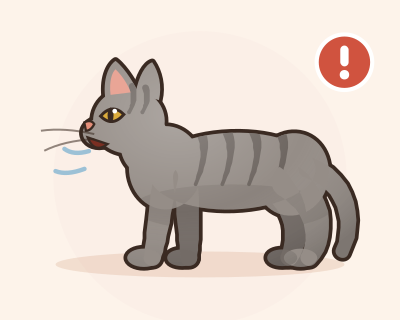 Open-mouth breathingPanting or struggling to breathe.
 Lily or human medicineAny contact with a lily, any human pill.
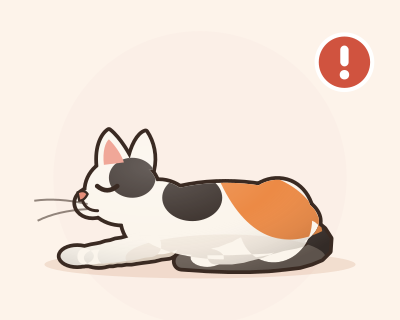 Collapsed or can’t standOr very weak, or a seizure.
Eating and drinking
Less appetite. A cat that eats a little less for a day and is otherwise bright may just be off its food. But cats can develop liver problems if they go without food even for a short time. If your cat eats nothing at all for a day, call your vet. If it has eaten less than usual for three days or more, International Cat Care advises getting veterinary help urgently.
More appetite. A cat that is always hungry but stays thin, or loses weight, may have an overactive thyroid or diabetes. Both are common in older cats.
More thirst. Cats don’t drink much, so a cat that is often at the water bowl is worth noticing. Increased drinking can point to kidney disease, diabetes or an overactive thyroid, among other causes. If you are unsure, measure it. Fill the bowl to a known level and check how much is gone after 24 hours. Your vet will find that number useful.
The litter tray: your daily health report
Cleaning the tray is a quick health check. Look out for:
- larger or more frequent clumps of urine than normal;
- many visits with only small amounts, or straining;
- blood in the urine, or urine passed outside the tray;
- diarrhoea lasting more than a day, or diarrhoea with blood;
- constipation: small, hard stools or no stool for more than two days;
- a cat that cries while using the tray.
Peeing outside the tray is often a sign of a medical problem, not “bad behaviour”. Bladder pain and arthritis can both make a cat avoid the tray.
Breathing: count it while your cat sleeps
Breathing problems are easy to miss, because cats rest so much. A simple habit helps. When your cat is sound asleep in a cool room, watch its chest. Count each rise and fall as one breath for 15 seconds, then multiply by four.
According to a monitoring form from the Feline Veterinary Medical Association, a normal sleeping rate is fewer than 30 to 40 breaths per minute. If your cat is regularly at 40 or above while asleep, call your vet. A few readings on calm days give you a baseline to compare with later.
Coat, skin, eyes and mouth
Run your hands over your cat once a week while you stroke it. You are feeling for lumps, scabs, sore spots and weight loss along the spine and hips. Also notice:
- a greasy, scruffy or matted coat, which can mean a cat is too sore or unwell to groom;
- bald patches or constant licking in one place;
- runny or cloudy eyes, a visible third eyelid, or squinting;
- sneezing and a runny nose for more than a couple of days;
- bad breath, drooling, red gums or dropping food while eating, which often point to painful teeth.
How a cat in pain looks
Cats rarely cry when they hurt. Instead, pain shows in posture and in the face. Researchers at the Université de Montréal developed the Feline Grimace Scale, a validated tool for spotting acute pain from a cat’s facial expression. It looks at five areas: ear position, how tightly the eyes are closed, tension around the muzzle, whisker position and how the head is held.
In everyday terms, a cat in pain may:
- sit hunched with its head lower than its shoulders;
- squint or keep its eyes half-closed;
- hold its ears apart and flattened;
- stop jumping onto the sofa or windowsill;
- groom less, or lick one spot over and over;
- become grumpy, hide or avoid being touched.
Behaviour changes: quieter signs your cat is sick
Sometimes the only clue is a change in character. A sociable cat that suddenly hides. A cat that stops greeting you at the door. More meowing at night, especially in an older cat. Restlessness, or sleeping in unusual places. Any of these can be the first visible sign of illness. Our guide to cat body language helps you tell normal moods from warning signs.
Older cats need a closer eye
From around the age of ten, many cats develop kidney disease, an overactive thyroid, diabetes, high blood pressure or arthritis. These start slowly and are easy to mistake for “just getting old”. Weight loss, drinking more, stiffness and night-time yowling all deserve a vet visit. Regular check-ups, often every six months for seniors, catch problems earlier. Our guide to preventive health care explains what a check-up covers.
Making the vet visit count
Vets see your cat for a few minutes. You see it every day. Before the appointment:
- write down what changed and when it started;
- note how much your cat eats and drinks, and what is happening in the tray;
- record a short video of anything odd, like a limp, a cough or strange breathing;
- weigh your cat if you can, or bring its last known weight;
- if possible, collect a urine sample using clean, non-absorbent litter.
Bring a list of any medicines or supplements your cat takes. Ask what signs should make you come back sooner.
Know your cat on a normal day
The best defence is knowing what “normal” looks like. How much does your cat usually eat? How often does it use the tray? Where does it like to sleep, and how much? A short note now and then turns vague worries into clear facts.
Frequently asked questions
Is a warm, dry nose a sign my cat is sick?
No. A cat’s nose changes temperature and moisture through the day. Appetite, energy, breathing and the litter tray tell you far more.
My cat is hiding more. Should I worry?
If it lasts more than a day, or comes with eating less or other changes, call your vet. Hiding is one of the most common signs of illness or pain in cats.
How long can a cat go without eating?
Not long. A cat that eats nothing for a day should see a vet. A cat eating less for three days needs veterinary help urgently.
Sources & editorial note
- Cornell Feline Health Center — Feline lower urinary tract disease
- International Cat Care — Inappetence in cats
- International Cat Care — Increased thirst and drinking
- Université de Montréal — Feline Grimace Scale
- Feline Veterinary Medical Association — Sleeping respiratory rate monitoring form
Prepared by Miauly from the sources listed above, checked on 19 October 2026.