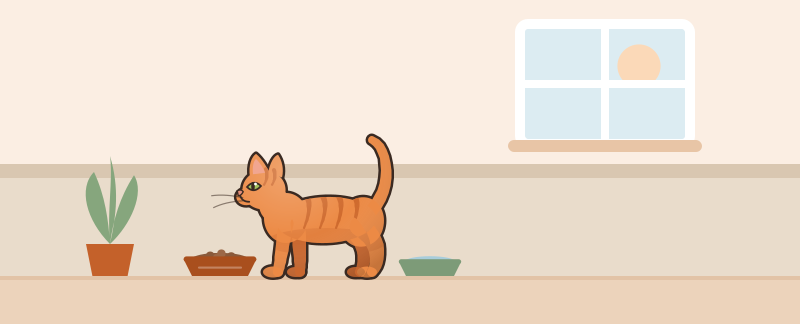
Feeding a cat sounds simple. Fill the bowl, top up the water, done. Then you stand in the pet food aisle facing a wall of tins, pouches and bags, each promising something different, and it suddenly feels complicated.
Good cat nutrition rests on a few clear ideas: what a cat’s body needs, how much food keeps it at a healthy weight, and how to serve meals in a way that suits a small hunter. This guide covers all three, plus the foods that should never reach your cat’s bowl. It is about your pet cat at home. If you feed cats living outdoors, see our guide to feeding community cats.
Cat nutrition basics: a cat is built to eat meat
Cats are obligate carnivores. Their bodies rely on nutrients that come only from animal products, such as the amino acid taurine. A healthy cat diet is high in protein, moderate in fat and low in carbohydrates.
That is why cats can’t safely live on a vegetarian diet, and why dog food is not a substitute. Dog food doesn’t contain everything a cat needs.
Complete or complementary? Read the label first
The most useful words on a pack are complete and complementary.
- A complete food contains everything a cat needs. It can be fed on its own as the main diet.
- A complementary food doesn’t. Many treats, toppers and some pouches fall into this group. They are extras, not meals.
The label should also say which life stage the food is for, such as kitten, adult or senior. Use the feeding guide on the pack as a starting point, then adjust to your own cat.
Wet, dry or both?
Both can be good. What matters most is that the food is complete and suits your cat.
| Wet food | Dry food | |
|---|---|---|
| Water content | at least 75% | about 6 to 10% |
| Calories per mouthful | lower | higher, easy to overfeed |
| Keeps in the bowl | an hour or two | longer |
| Useful for | cats that drink little; urinary and kidney health | puzzle feeders; leaving food out |
Many owners feed a mix. If you do, count both towards the daily amount, not on top of each other.
How much to feed a cat
There is no single right number. A young, active cat burns more than a calm, neutered indoor cat. The pack gives a range. Your cat’s body tells you whether it is right.
Vets use a body condition score to judge this. At an ideal weight, you can feel your cat’s ribs under a light layer of fat without pressing, you can see a waist behind the ribs when you look from above, and there is only a small fat pad on the belly. If the ribs are hard to find and the waist has gone, your cat is carrying too much weight.
Weigh your cat once a month. Kitchen scales work for kittens. For adults, weigh yourself holding the cat, then without, and subtract.
How often to feed: feed like a hunter
A cat in the wild eats many small meals a day, catching each one alone. The American Association of Feline Practitioners recommends copying that pattern at home where you can:
- Offer several small meals rather than one or two big ones.
- Use puzzle feeders or treat balls, so your cat works a little for its food.
- Hide small portions in a few places for your cat to find.
- In a home with more than one cat, give each cat its own feeding spot, away from the others.
- Keep food away from the litter tray, and water a little away from food.
These habits slow down fast eaters, keep indoor cats busy and help prevent weight gain.
Water
Always leave fresh, clean water out. Many cats prefer a wide, shallow bowl, and some drink more from a fountain. Cats on dry food drink more, but often not enough, so a cat prone to urinary problems may do better with some wet food. A sudden increase in thirst is a reason to see your vet.
Food through the life stages
- Kittens grow fast and need a kitten food. Feed them little and often, several times a day.
- Adults do well on a complete adult food, in several small meals.
- Neutered cats often need fewer calories. Watch their weight in the months after the operation.
- Older cats may lose their appetite, have sore teeth or develop kidney problems. A softer food may help, and your vet will tell you if a special diet is needed.
- Pregnant and nursing cats need extra energy. A kitten food is usually recommended.
Changing food the gentle way
A sudden switch can upset your cat’s stomach, or simply lead to a hunger strike. International Cat Care suggests offering the new food next to the old one, starting with about a quarter new and three quarters old. Increase the new food bit by bit as your cat accepts it. Some cats adjust within a week. Others take several weeks. Let your cat set the pace. Never try to starve a cat into eating a new food.
Treats and extras
Treats are fine in moderation. The Cornell Feline Health Center advises keeping them to no more than 10 to 15% of your cat’s daily calories. Take the rest off the main meals on treat-heavy days.
Milk is not a good treat. Many adult cats can’t digest milk sugar properly and get an upset stomach.
Raw and home-made diets
Some owners are drawn to raw feeding. The Cornell Feline Health Center notes there is no clear evidence of a health benefit, and that raw food can carry bacteria and parasites that can make both cats and people ill. Home-made diets are easy to get wrong without expert help. If you want to go this way, ask your vet to refer you to a veterinary nutritionist.
Foods and plants that are dangerous to cats
Keep these away from your cat:
- Lilies. All parts, including the pollen and the water in the vase, can cause fatal kidney failure. See a vet immediately if your cat has had any contact.
- Onions, garlic and chives, in any form, including powders. They damage red blood cells.
- Chocolate, coffee and other caffeine.
- Alcohol and raw bread dough.
- Xylitol, a sweetener found in some sugar-free foods.
- Cooked bones, which can splinter.
- Medicines meant for people, including common painkillers.
If you think your cat has eaten something toxic, call your vet straight away.
 LiliesAll parts, even pollen and vase water.
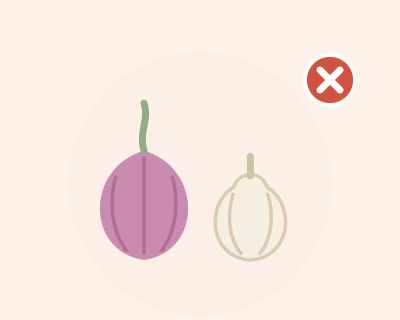 Onions, garlic, chivesIn any form, including powders.
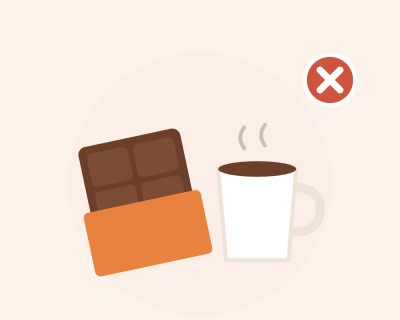 Chocolate and caffeineIncluding coffee.
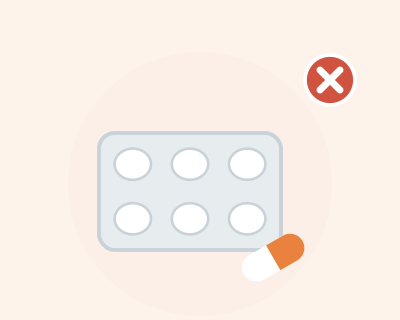 Medicines for peopleIncluding common painkillers.
If your cat is overweight
Extra weight raises the risk of diabetes, joint pain and other problems. Don’t cut food drastically. Cats that lose weight too fast can become seriously ill. Ask your vet for a target weight and a safe plan, cut back on treats, and add more play and puzzle feeding.
If your cat stops eating
A cat that refuses food is not just being fussy. Cats can become ill quickly if they don’t eat. If your cat eats nothing for a day, call your vet. Our guide to the signs your cat is sick explains what else to look for.
Frequently asked questions
Should I leave dry food out all day?
Some cats manage this well, but many overeat. Several measured meals, or a puzzle feeder filled with the day’s portion, make it easier to control weight.
Is it OK to feed only dry food?
A complete dry food can meet a cat’s needs. Make sure your cat drinks well, and ask your vet about adding wet food if it has urinary or kidney problems.
Can cats drink milk?
It’s best not to. Many cats can’t digest milk sugar and get diarrhoea. Water is all they need.
Sources & editorial note
- Cornell Feline Health Center — Feeding your cat
- American Association of Feline Practitioners — How to feed a cat: consensus statement
- International Cat Care — How to change your cat’s food to a new diet
- International Cat Care — Lily toxicity
- ASPCA — People foods to avoid feeding your pets
Prepared by Miauly from the sources listed above, checked on 19 October 2026.